0%

Choosing the right Autoharp Accessories can change how comfortably, clearly, and confidently an autoharp performs. A padded case protects the instrument during travel. Fresh strings restore brightness. A reliable tuner prevents small pitch problems from becoming frustrating performance issues. Picks, chord-bar felts, straps, and cleaning cloths also serve different practical needs.

Professional autoharpist Bryan Bowers is often credited with saying, “The autoharp is easy to play, but difficult to play well.” That observation explains why accessories deserve careful attention. A beginner may only need picks, a tuner, and basic protection. A frequent performer may require replacement felts, spare strings, a microphone, and stronger stage support. The best choices depend on playing style, instrument model, budget, and maintenance habits.

Some accessories improve sound. Others mainly prevent damage. That difference matters. A thick case cannot correct poor tuning, while a new string set cannot protect a fragile finish. I have found that players often buy attractive extras before replacing worn felts or checking string condition. That choice can be expensive and disappointing. Sometimes, less equipment works better.

This guide examines essential Autoharp Accessories and separates useful upgrades from optional additions. It considers comfort, durability, compatibility, and long-term value. Readers will see what belongs in a starter setup, what touring musicians commonly carry, and what can wait. No accessory replaces practice. Still, the right tool can make each practice session quieter, steadier, and more rewarding.
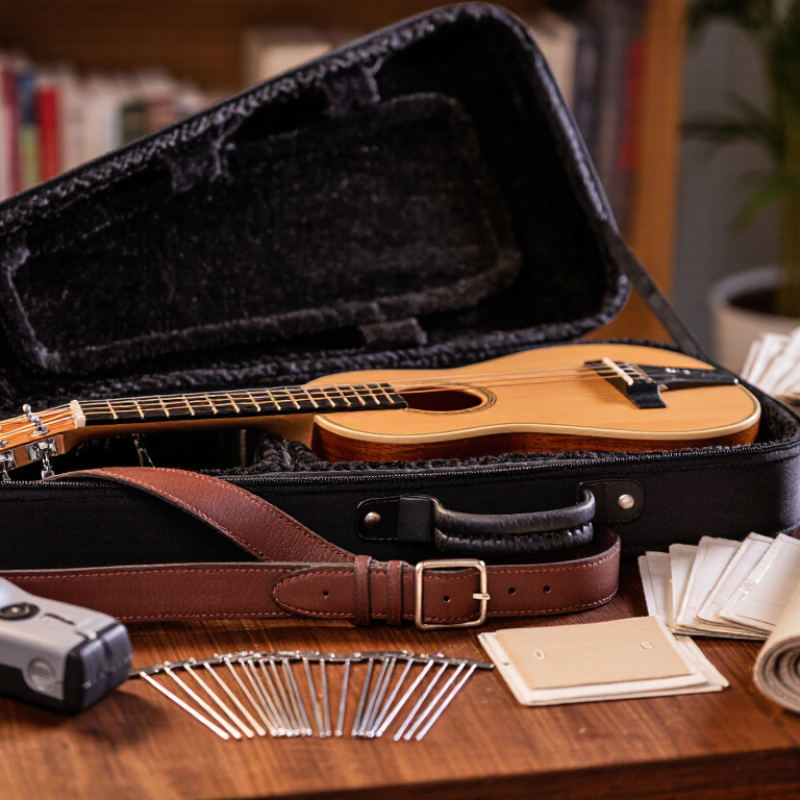
What Are Autoharp Accessories and Which Ones Do You Need?

Understanding the Role of Autoharp Accessories

What Are Autoharp Accessories and Which Ones Do You Need?

Understanding the Role of Autoharp Accessories

Autoharp accessories do more than decorate an instrument. They support tuning, protection, comfort, and daily practice. The right tools can make a noticeable difference in sound and confidence.

A tuning wrench is essential because small pitch changes affect every chord. I keep one nearby and check tuning before practicing. An electronic tuner offers clear guidance, especially for beginners. It does not replace careful listening, though. A spare string set is also practical. Strings can break suddenly during transport or rehearsal.

Picks shape the instrument’s response. Thin picks create a lighter touch, while thicker picks can produce stronger volume. Try both. Your first choice may not remain your best choice. A padded case protects the autoharp from dust, bumps, and sudden temperature changes. A stand can improve playing posture and reduce strain on the wrists. These details seem minor until a long practice session exposes them.

Chord charts and practice notes help players understand the instrument’s layout. A soft cleaning cloth removes fingerprints without scratching the finish. I once ignored this simple habit and noticed grime around the chord bars. It was not serious, but it reminded me that maintenance supports playability. Accessories should solve real problems, not fill a storage box. Start with tuning, protection, and comfortable handling, then add tools that match your playing routine.

Identifying Essential Accessories for Basic Playing

What Are Autoharp Accessories and Which Ones Do You Need?

For basic playing, an autoharp needs fewer accessories than many beginners expect. Start with a reliable chromatic tuner, a padded strap, and a firm music stand. The tuner helps compensate for rooms with weak acoustics. The strap keeps the instrument stable against your torso. A stand prevents repeated neck bending while reading chord charts.

Keep several medium-gauge picks nearby. Thin picks can feel comfortable, but they may produce a weak, uneven attack. A soft microfiber cloth removes hand oils from the strings and soundboard after practice. A fitted case protects the instrument from dust, humidity changes, and accidental knocks. The National Endowment for the Arts’ 2017 Survey of Public Participation in the Arts found that 16.8% of U.S. adults played a musical instrument, showing how many learners may begin with simple, practical tools.

Replacement strings are not an immediate purchase for everyone. They become essential when tuning remains unstable or a string sounds dull. A small string winder can reduce repair time, though beginners may misuse it. Carefully. The 2023 American Time Use Survey recorded 0.3% of Americans spending time playing musical instruments on an average day. That figure suggests short practice sessions are common, so quick setup matters. I still overpack my accessory bag sometimes. A tuner, picks, cloth, and case usually cover the real starting needs.

What Are Autoharp Accessories and Which Ones Do You Need?

Accessory recommendations for basic autoharp playing and routine care.
Accessory Primary Function Basic-Playing Need Selection Guidance Useful Notes
Tuning Wrench Turns the tuning pins so the strings can be adjusted to the correct pitch. Essential Choose a wrench made for the tuning-pin size used by the instrument. A standard guitar or household wrench is generally unsuitable. Turn tuning pins gradually to avoid sudden pitch changes.
Electronic Chromatic Tuner Measures the pitch of each string and shows whether it is sharp, flat, or in tune. Essential A chromatic tuner with a clear display is practical for beginners; clip-on or microphone-based models can both work. Use it in a quiet environment and tune one string at a time.
Picks Strikes or plucks the strings to produce a clear, controlled sound. Essential Medium or light-gauge flat picks are a comfortable starting point. Try different shapes and thicknesses. Some players use a thumb pick or fingers instead, but a few flat picks are useful for learning basic rhythm patterns.
Replacement String Set Replaces strings that break, corrode, or lose their reliable tone. Recommended Buy strings specifically intended for the instrument’s scale, tuning, and string arrangement. Autoharp strings are not interchangeable with ordinary guitar strings. Keep replacement strings labeled and stored dry.
String Winder Speeds up the removal and installation of strings during restringing. Optional Select a winder that fits the instrument’s tuning pins without forcing or slipping. It is convenient for maintenance but is not needed for everyday playing.
Padded Gig Bag or Hard Case Protects the autoharp from dust, impacts, and temperature changes during storage and transport. Recommended Use a case with a secure closure, adequate padding, and enough room for the instrument without pressure on the chord bars. Keep the instrument supported and avoid leaving it in a hot car or damp location.
Soft Microfiber Cloth Removes fingerprints, dust, and light residue from the instrument’s surfaces and strings. Recommended Choose a clean, lint-free cloth that will not scratch finished surfaces. Wipe the instrument after playing. Do not spray liquid directly onto the strings, chord bars, or soundboard.
Autoharp Chord Chart Shows chord names, chord-bar locations, and common progressions for songs. Essential for Beginners Use a chart that matches the chord-bar layout of the instrument. Chord-bar layouts can differ, so verify the chart before relying on it during practice.
Music Stand Holds song sheets, chord charts, or lesson materials at a readable angle. Recommended Choose a stable, height-adjustable stand that does not obstruct the player’s view of the chord bars. A stand improves posture and keeps both hands available for playing.
Instrument Strap Helps support the autoharp while the player is standing or changing position. Optional Use a strap only with secure strap attachments designed for the instrument. Check the attachment points regularly. A strap should not place excessive pressure on the instrument body.
Padded Lap or Playing Support Improves comfort and stability when the autoharp is played across the lap or against the body. Optional Look for firm, non-slip padding that supports the instrument without covering the sound openings. Proper positioning can reduce wrist and shoulder strain during longer practice sessions.
Small Screwdriver Set Assists with minor adjustments to accessible hardware, such as screws used on some chord-bar assemblies. Optional Use correctly sized screwdrivers to prevent damage to screw heads. Do not loosen or remove chord-bar hardware unless the instrument’s maintenance instructions support the adjustment.

Choosing Tools for Tuning, Maintenance, and Protection

What Are Autoharp Accessories and Which Ones Do You Need?

Autoharp accessories should support three daily tasks: tuning, maintenance, and protection. A sturdy tuning wrench is essential because autoharp pins require controlled pressure. An electronic tuner can improve accuracy, especially when room noise makes listening difficult. I usually tune slowly, checking each string twice. Rushing can create uneven tension and confusing results.

Maintenance tools should be simple and dependable. Keep a soft, lint-free cloth nearby for dust and fingerprints. A small brush helps clean around the chord bars without bending them. Replacement strings are useful, even if you rarely perform. Store them in a dry container. I once ignored a slightly worn string and regretted it during practice. That mistake taught me to inspect strings near the bridge and tuning pins.

Tips: Tune before important playing, not minutes before leaving. Keep the wrench with the instrument. Use gentle pressure when cleaning. A padded case protects the frame from knocks, while a rigid case offers stronger protection during travel. Avoid storing the autoharp beside heaters or damp windows. Stable room conditions are safer than sudden temperature changes. A small humidity monitor may help, although ideal levels can vary by instrument and location. Check the case latch, padding, and interior space regularly. Protection is often overlooked until a minor accident becomes expensive.

Adding Accessories for Comfort and Better Performance

Autoharp accessories should improve comfort before they add complexity. A wide, adjustable strap keeps the instrument stable during standing practice. A padded case protects the soundboard from sudden temperature changes and accidental knocks. Keep a tuning wrench nearby. Small adjustments can restore cleaner chords within minutes.

A reliable electronic tuner supports better intonation, especially during group playing. Fresh strings also improve response, but replacing them requires patience and careful tension control. The Music Trades 2024 industry survey identifies strings, picks, tuners, and cases as recurring accessory purchases. That pattern matters: maintenance items often influence performance more than decorative upgrades. Soft felt under the instrument can reduce sliding on a polished table. It also prevents small scratches.

Pick thickness changes attack and volume. Medium picks offer a useful starting point for beginners, while thinner picks may feel gentler during long sessions. The NAMM Foundation’s 2023 participation report links regular music-making with continued engagement and skill development. Comfortable equipment helps support that habit. My setup is not perfectly optimized. I still carry too many spare picks. Testing one accessory at a time makes its effect easier to judge. A chord-bar cleaning cloth is easy to overlook. Dust can make bar movement feel uneven. For players with wrist discomfort, a lower chair or a support cushion may help, though posture deserves individual attention. Pain should not be treated as a normal performance cost.

What Are Autoharp Accessories and Which Ones Do You Need?

Adding the right accessories can make an autoharp more comfortable to hold, easier to tune, and safer to transport. The chart shows typical generic price points in U.S. dollars for commonly used accessories; actual prices vary by material and quality.

A tuner and replacement picks are useful starting accessories. Players who perform regularly may also benefit from a padded strap, chord-bar felt replacements, a protective gig bag, and a stable music stand.

Matching Accessories to Your Playing Needs

Autoharp accessories should follow your playing habits, not a generic checklist. A seated beginner may need a stable music stand, an electronic tuner, and medium-weight picks. A performer needs more. Add a padded case, shoulder strap, spare strings, and a small tuning wrench. Start with fit.

Your right hand tells you more than advertising does. If picks feel sharp against your thumb, try softer materials or rounded edges. If your wrist tires after three songs, adjust the strap before buying expensive equipment. I once carried too many accessories to a session and used half of them. That was unnecessary, but useful feedback.

Market data supports careful spending. Grand View Research estimated the global musical-instrument market at 16.55 billion dollars in 2023, with a projected 7.1% annual growth through 2030. That broad category includes accessories, so it does not describe autoharp players precisely. Still, it shows how quickly add-on products are expanding. Choose based on need, not market noise. For home practice, prioritize tuning accuracy and hand comfort. For travel, protect the instrument first. For recording, consider a clean pickup or microphone stand, but test room noise before purchasing. The Music Trades industry survey also shows that online instrument sales remain important, yet product descriptions cannot measure grip comfort or case balance. Try whenever possible. Your setup may change as your technique improves.

FAQS

Which accessories are most important for a beginner?

Start with a chromatic tuner, padded case, strap, picks, and cleaning cloth. These cover tuning, comfort, protection, and daily care.

Why is a tuning wrench necessary?

It allows controlled adjustments to the tuning pins. Small pitch changes can affect every chord. Turn it slowly.

Can an electronic tuner replace careful listening?

No. It provides clear guidance, especially in noisy rooms. Your ears still need practice.

What type of picks should players use?

Try thin and medium-gauge picks. Thin picks feel light, while thicker picks can create stronger volume. Your first choice may change.

How does a case protect an autoharp?

A padded case blocks dust, bumps, and sudden temperature changes. A rigid case offers stronger travel protection.

What should players use for cleaning?

Use a soft, lint-free cloth for strings and the soundboard. A small brush can clean around chord bars gently.

When should replacement strings be purchased?

Keep them available when strings become dull, unstable, or suddenly break. Store spare strings in a dry container.

Can a stand and strap improve playing comfort?

Yes. A stand reduces neck bending while reading charts. A strap helps stabilize the instrument against your torso.

How should players store an autoharp safely?

Keep it away from heaters and damp windows. Check the case padding and latch regularly. I sometimes forget the latch.

Do players need every available accessory?

No. Accessories should solve real problems. Begin with tuning, protection, and comfortable handling. I still overpack sometimes.

Conclusion

Autoharp Accessories play an important role in making the instrument easier to play, maintain, and enjoy. While basic playing may require only a suitable pick, strap, and replacement strings, other tools can greatly improve the overall experience. A tuner helps players achieve accurate pitch, while cleaning supplies, string-changing tools, and a protective case support regular maintenance and safe storage. These essentials can help beginners build confidence and keep their instrument in dependable condition.

Players may also choose accessories that improve comfort and performance, such as seating support, music stands, or specialized picks. The right choices depend on personal playing habits, experience level, performance setting, and budget. Someone practicing at home may focus on tuning and protection, while a performer may value portability, comfort, and quick setup. By matching accessories to individual needs, players can create a practical collection that supports steady progress without purchasing unnecessary items.

Clara

Clara

Clara is a highly skilled marketing professional with a strong understanding of market trends, customer needs, and effective digital communication. As a valued member of our company, she specializes in translating complex products and services into clear, practical, and engaging content that helps......